JavaScript
A simple Form Builder using jQueryUI - Part 1
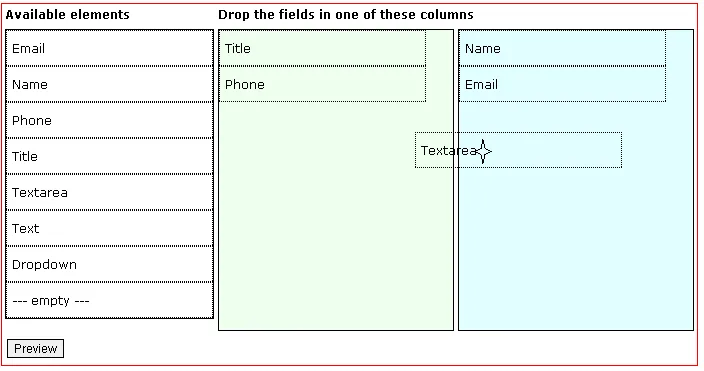
See how to implement jQuery and jQueryUI to create the first part of form builder. In this part, the form builder will be used to place fields in a column layout.

Projects, experiments, and lessons from software and markets.
See how to implement jQuery and jQueryUI to create the first part of form builder. In this part, the form builder will be used to place fields in a column layout.

This post is about my experiences on GWT when I wrote this post and learning more on the framework. Here I also discuss ExtGWT, SmartGWT, SmartClient and references to practices on building larger GWT apps.
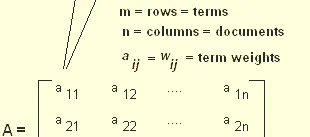
This is a continuation in the series of LSI (Latent Semantic Indexing) implementation. In this post, we will walk through the implementation of creating an Index.
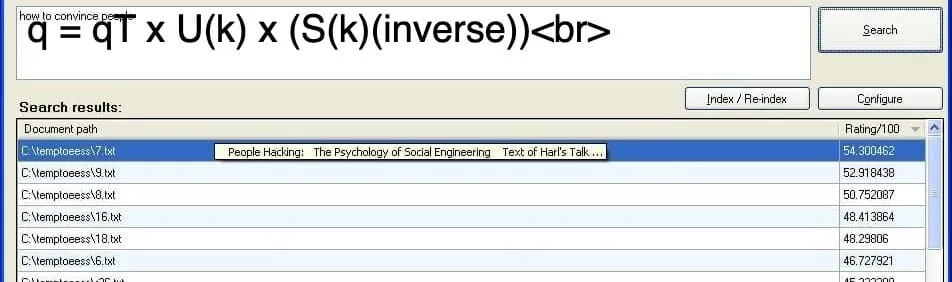
This is a continuation in the series of LSI (Latent Semantic Indexing) implementation. In this post, we will walk through the implementation of searching an index based on user's query.
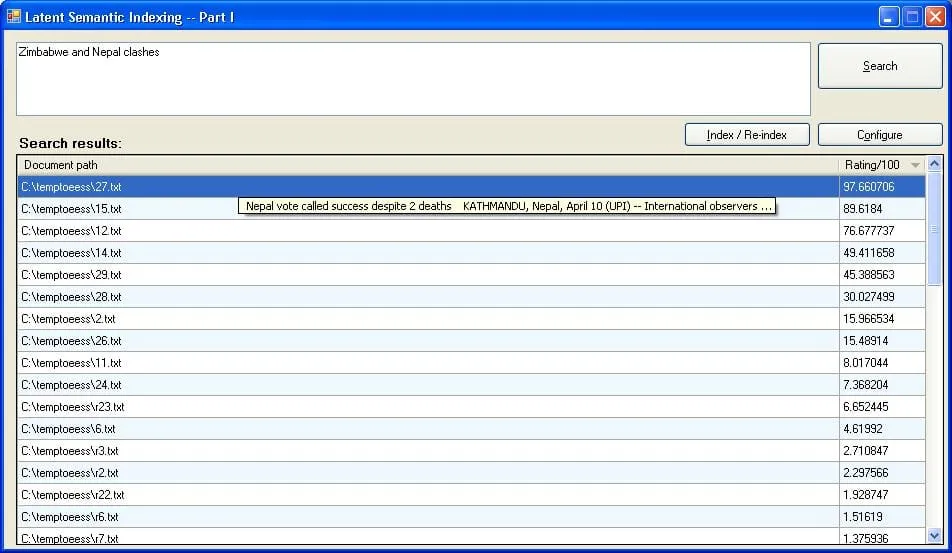
Latent semantic indexing (LSI) provides the ability to correlate semantically related terms that could be latent in the set of documents. Latent semantic analysis allows us to see semantics in the set of documents and how we can extract meaning of the text in the documents.
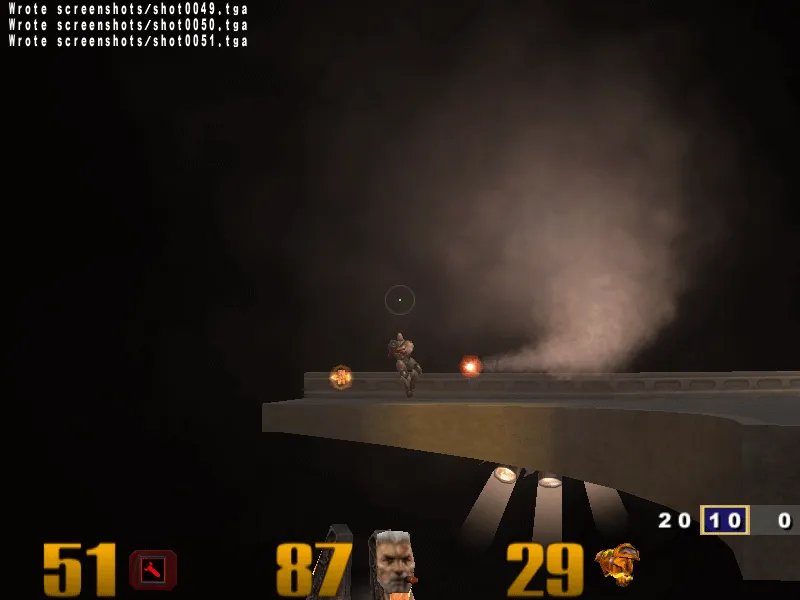
In the post "Modifying Quake3", I have explained how to compile the Quake III source code. In case you are not using Visual Studio 2003 but using developer studio for VC++ 6.0, here are some tips to compile using that.
How to compile and modify the Quake 3 source code to create a Homing Missile mod.
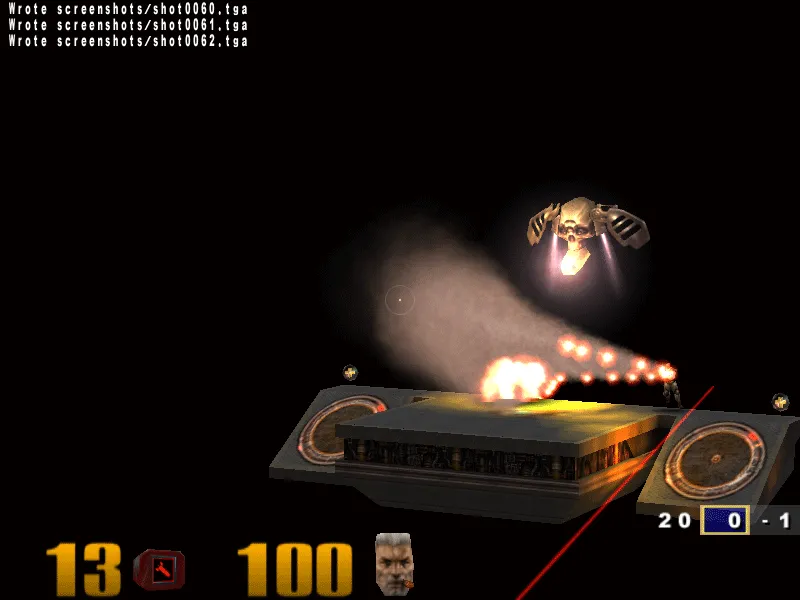
How Quake 3 works and we will create a mechanism to accept user input.
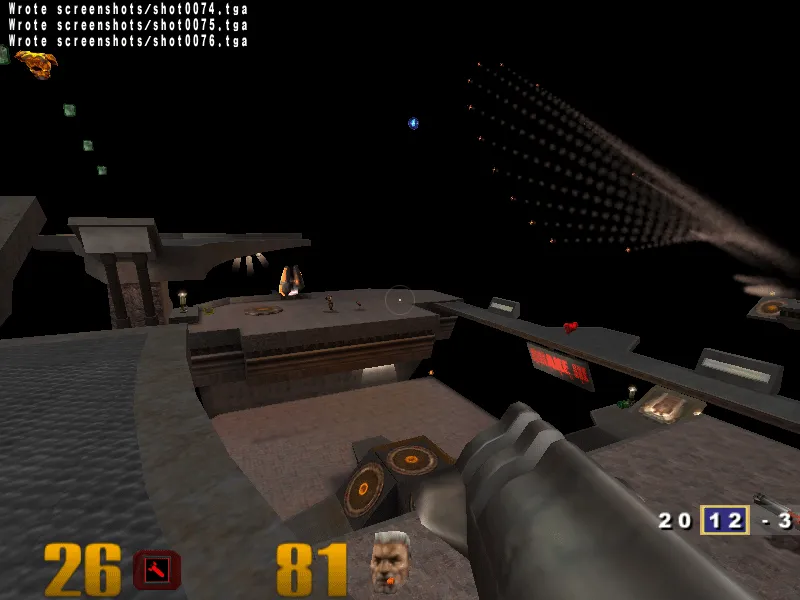
How to change the behavior of a rocket in Quake 3 and convert it into a homing missile. And few variations for this homing missile.
Ever had a need to verify if the other-person indeed checked your email? Here's a method that will allow you to inject some tags that, combined with a server, will a to receive read-receipts as soon as the user opens the email.
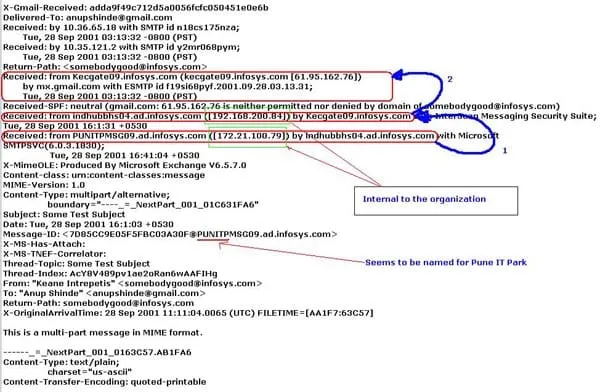
In earlier posts we saw how to capture sender's IP and then use that IP to locate the person. Although, that works many times - it may not be always correct. Here, we will see how these exceptions can occur.
This is continued article on Geo-locating emails. In the earlier post we saw how to locate the senders IP address and now we will be using that IP Address to find the location of the sender. In this example, I'll be using two sites that enable us to geo-locate IP.