Trading Psychology
Trading psychology: why traders really fail
Trading psychology is where most edges go to die. The recurring failure modes I keep writing about, and how they fit together.

Projects, experiments, and lessons from software and markets.
Trading psychology is where most edges go to die. The recurring failure modes I keep writing about, and how they fit together.
The Python tools I used to backtest trading strategies, what they are good at, and the exact point where I outgrew them.
What an AI agent actually is, how it differs from a plain LLM, and what I learned building several in Python.
How WebSockets work: the handshake, the frames, and the gotchas, learned from running real systems over them.
Concrete prompt engineering examples and the patterns behind them, drawn from how I use AI for code, research, and writing.
Claude Code is Anthropic's agentic coding tool. Here's what it is, how it works, and how I actually use it across real Go and Python projects.
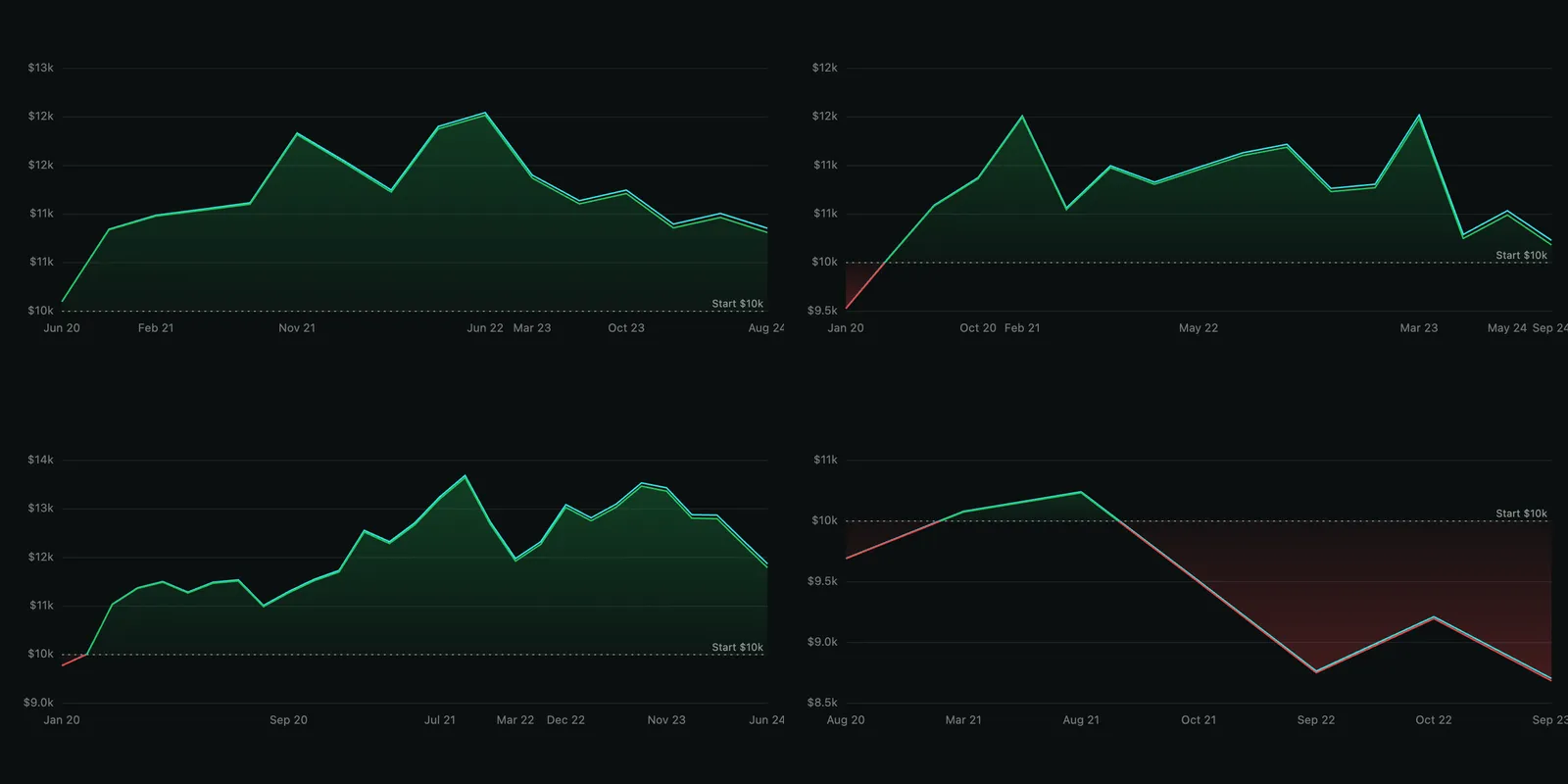
Gartley, Bat, Butterfly, Crab on ES from 2020 to 2024. One looked tradeable; the cross-instrument check killed the universal claim.
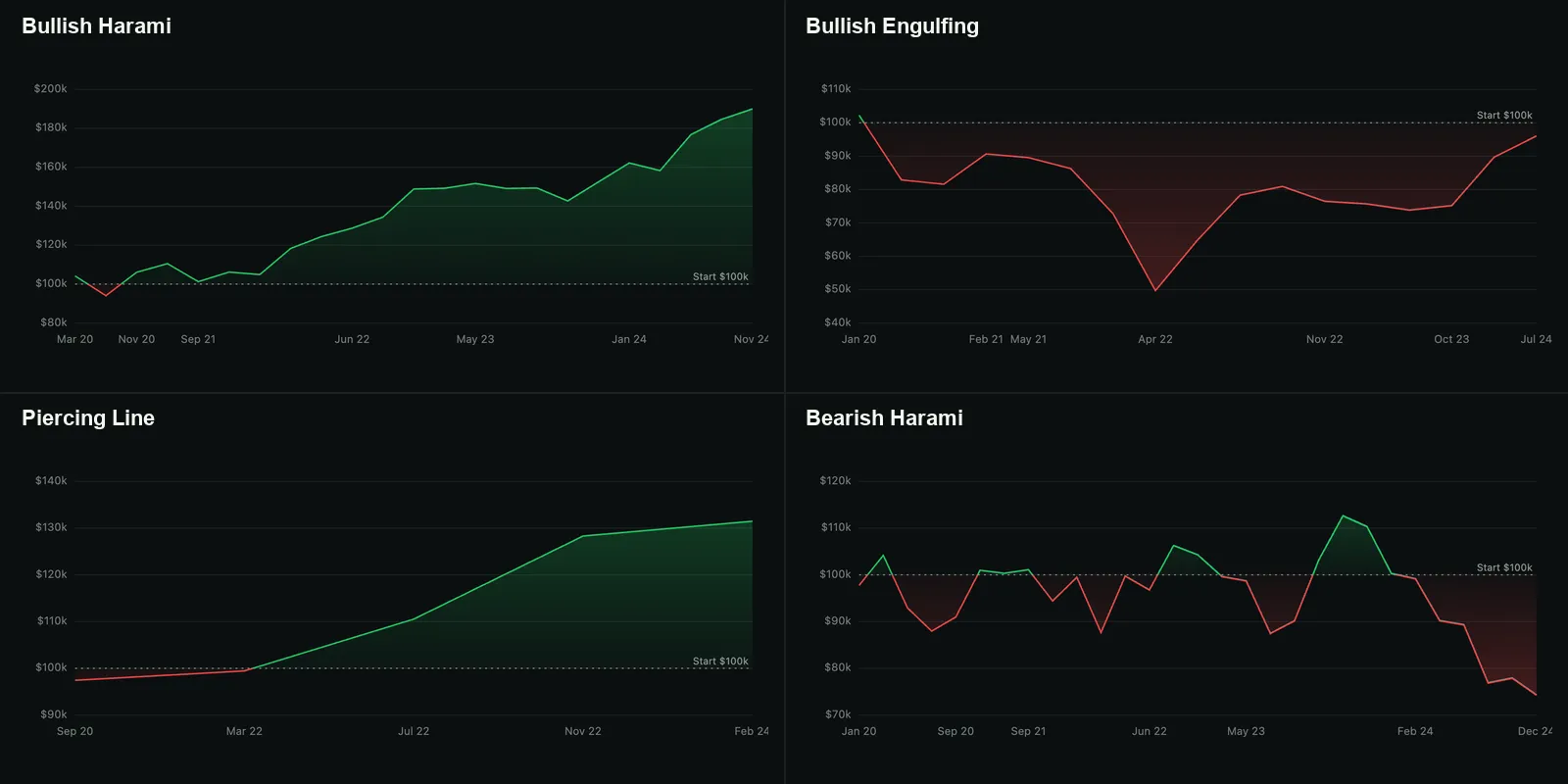
Six candlestick patterns tested on NQ from 2020 to 2024. One held up. Two failed cleanly. One fired too rarely. Two were NQ-only artifacts.
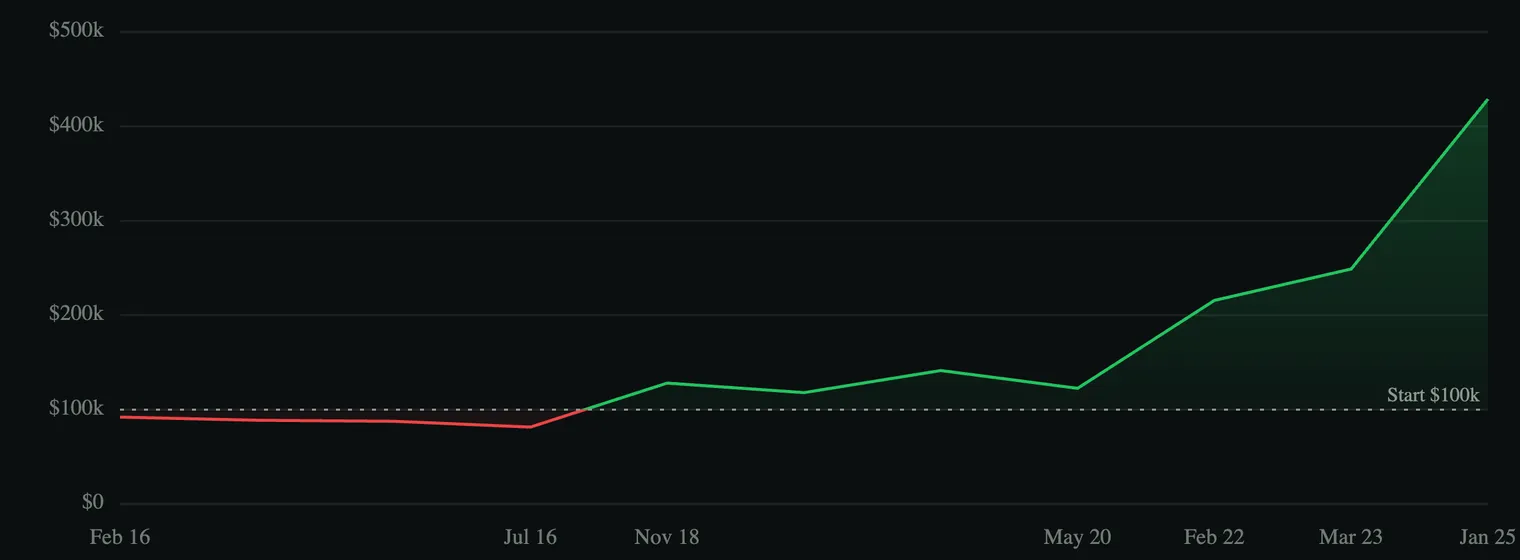
I tested moving-average crossover on NQ 1H, ES 1H, GC 1H, and the daily 50/200 golden cross. Three of four told a different story.
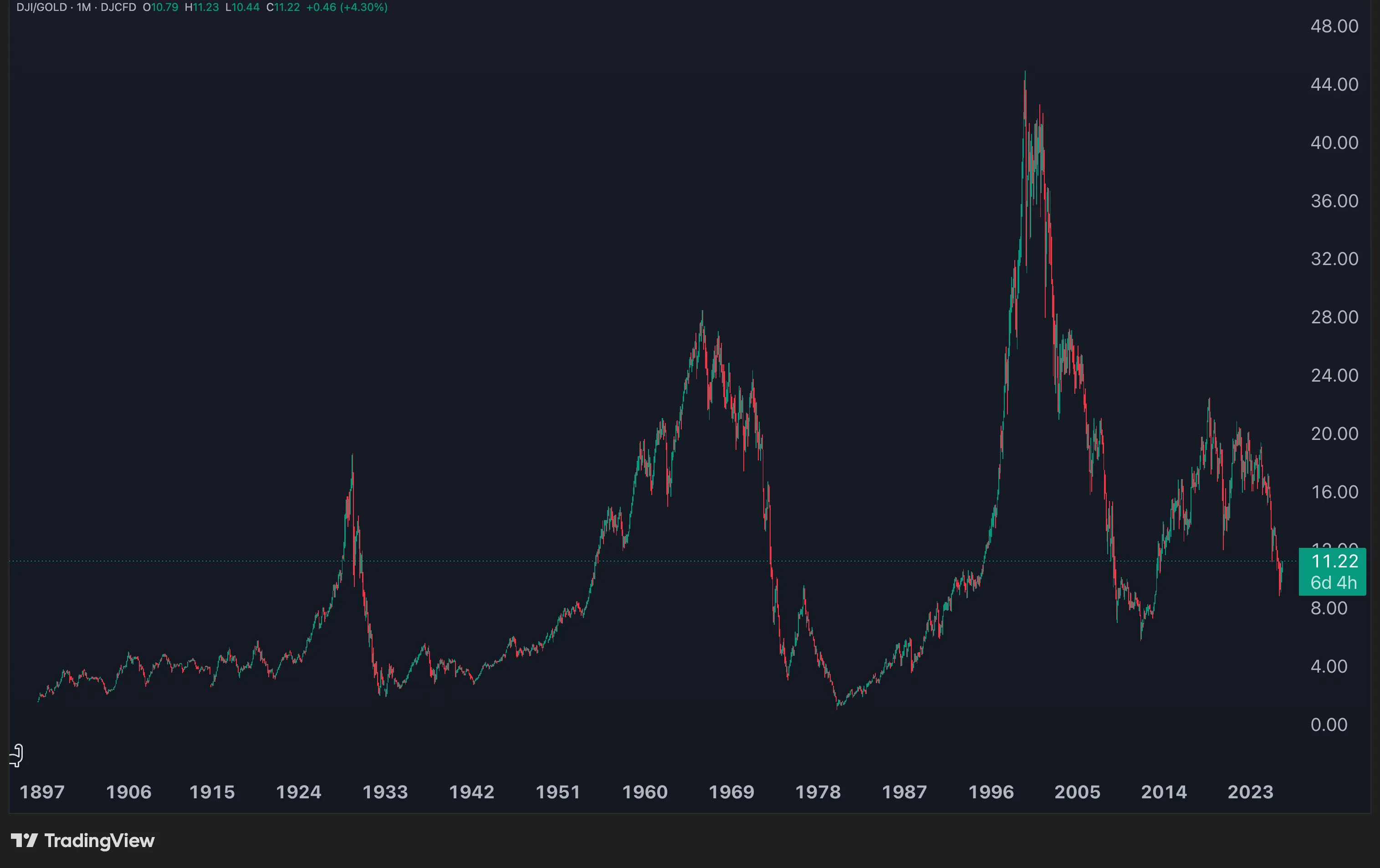
In dollars the S&P 500 has made huge new highs since 2000. In gold, it never got back to its peak. What changes when you swap the measuring stick?
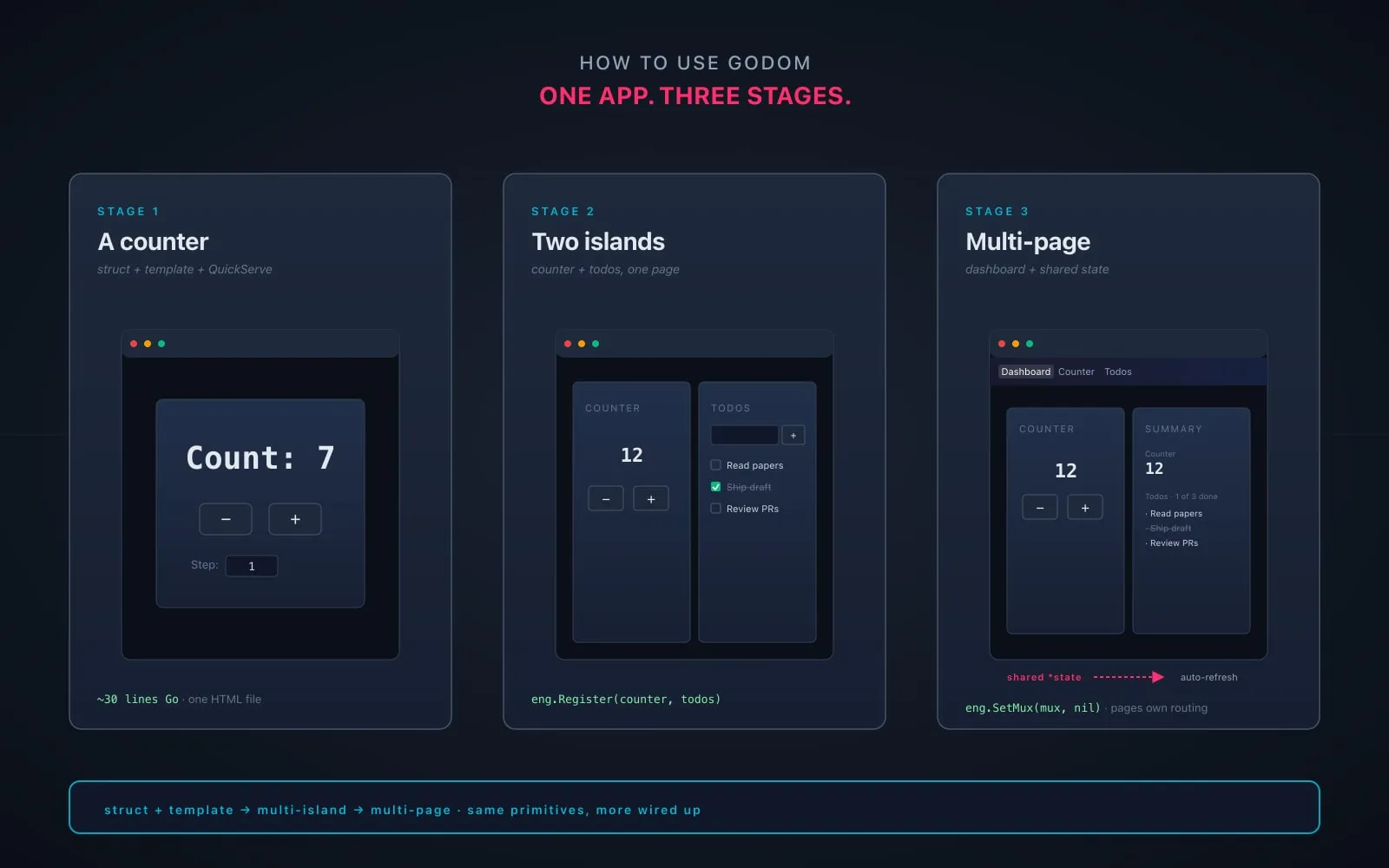
Building a small godom app in three stages: a counter, two islands on one page, then a multi-page layout with a shared-state dashboard.
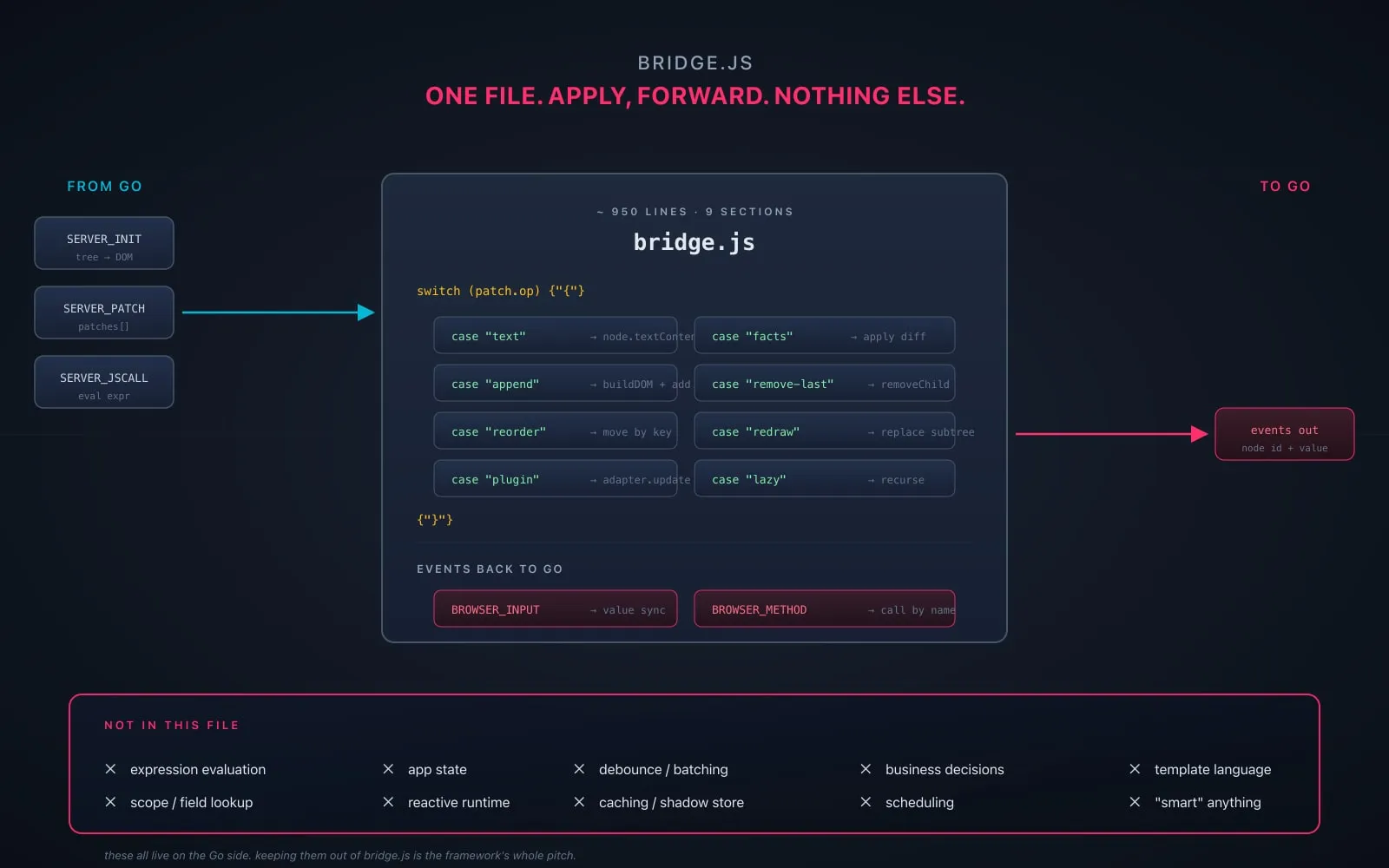
godom's bridge.js builds DOM, applies patches, and forwards events. It does not evaluate expressions, hold state, or make decisions. The constraint is the feature.