Go UI frameworkActive
godom
Local apps in Go, with a browser UI. One binary, shared state across tabs, and no separate JavaScript frontend.
13 connected posts
Tags / AI
Go UI frameworkActive
Local apps in Go, with a browser UI. One binary, shared state across tabs, and no separate JavaScript frontend.
13 connected postsWhat an AI agent actually is, how it differs from a plain LLM, and what I learned building several in Python.
Concrete prompt engineering examples and the patterns behind them, drawn from how I use AI for code, research, and writing.
Claude Code is Anthropic's agentic coding tool. Here's what it is, how it works, and how I actually use it across real Go and Python projects.
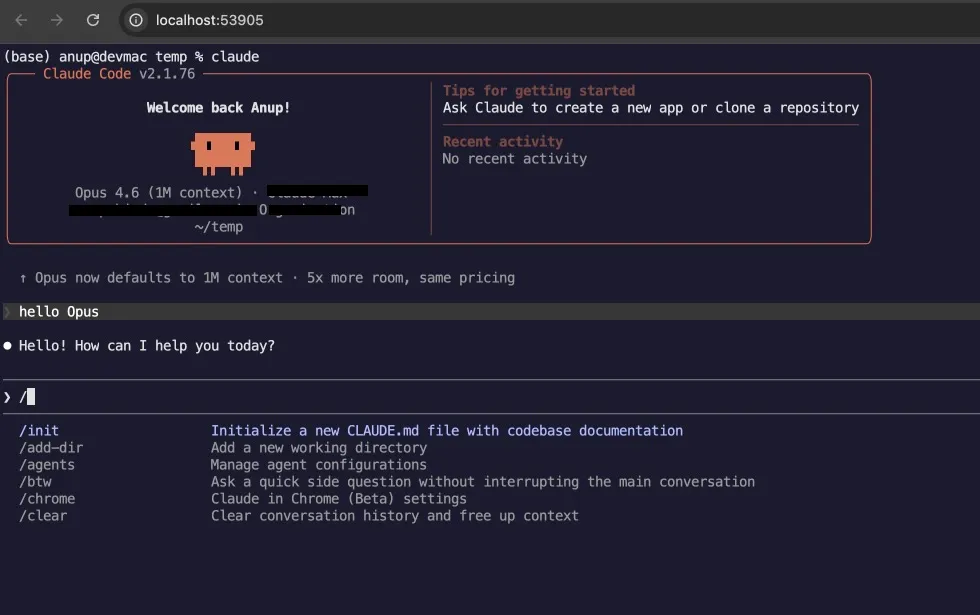
I built a browser-based terminal in Go using godom and xterm.js. Then I ran Claude Code inside it. It just worked.
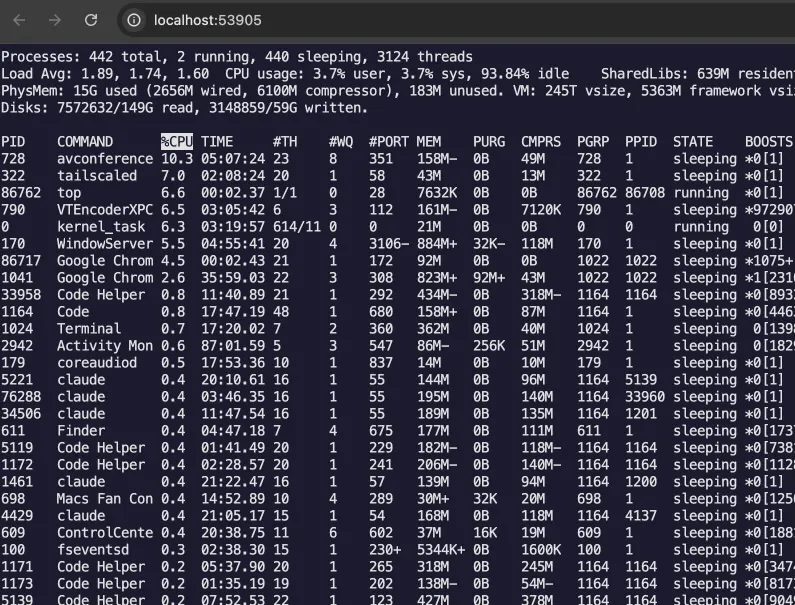
I built godom mostly with Claude as an implementation partner. Here's what that actually looked like.
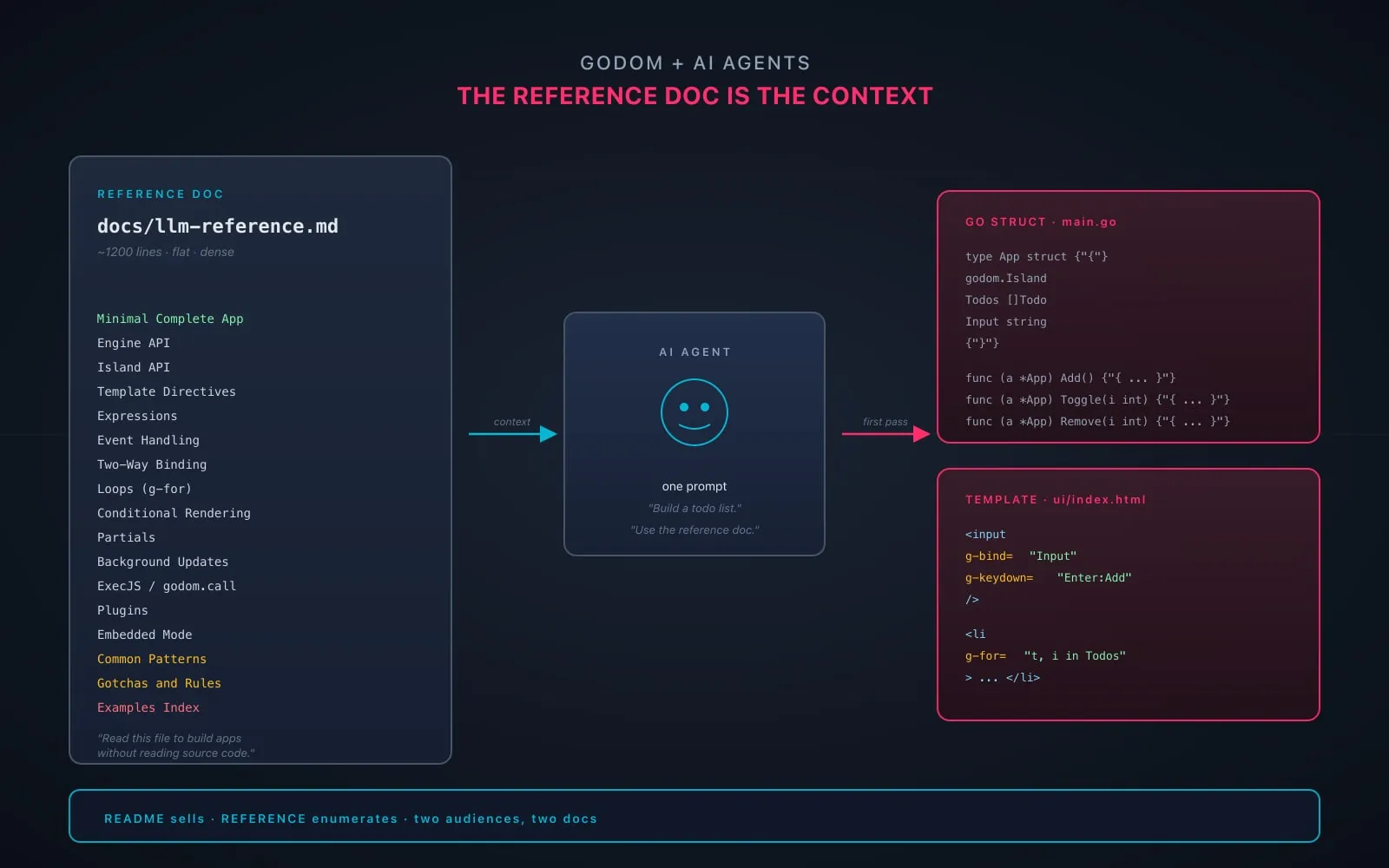
godom ships a docs/llm-reference.md aimed at AI agents writing godom apps. Why that doc exists, what it covers, and what the workflow looks like.
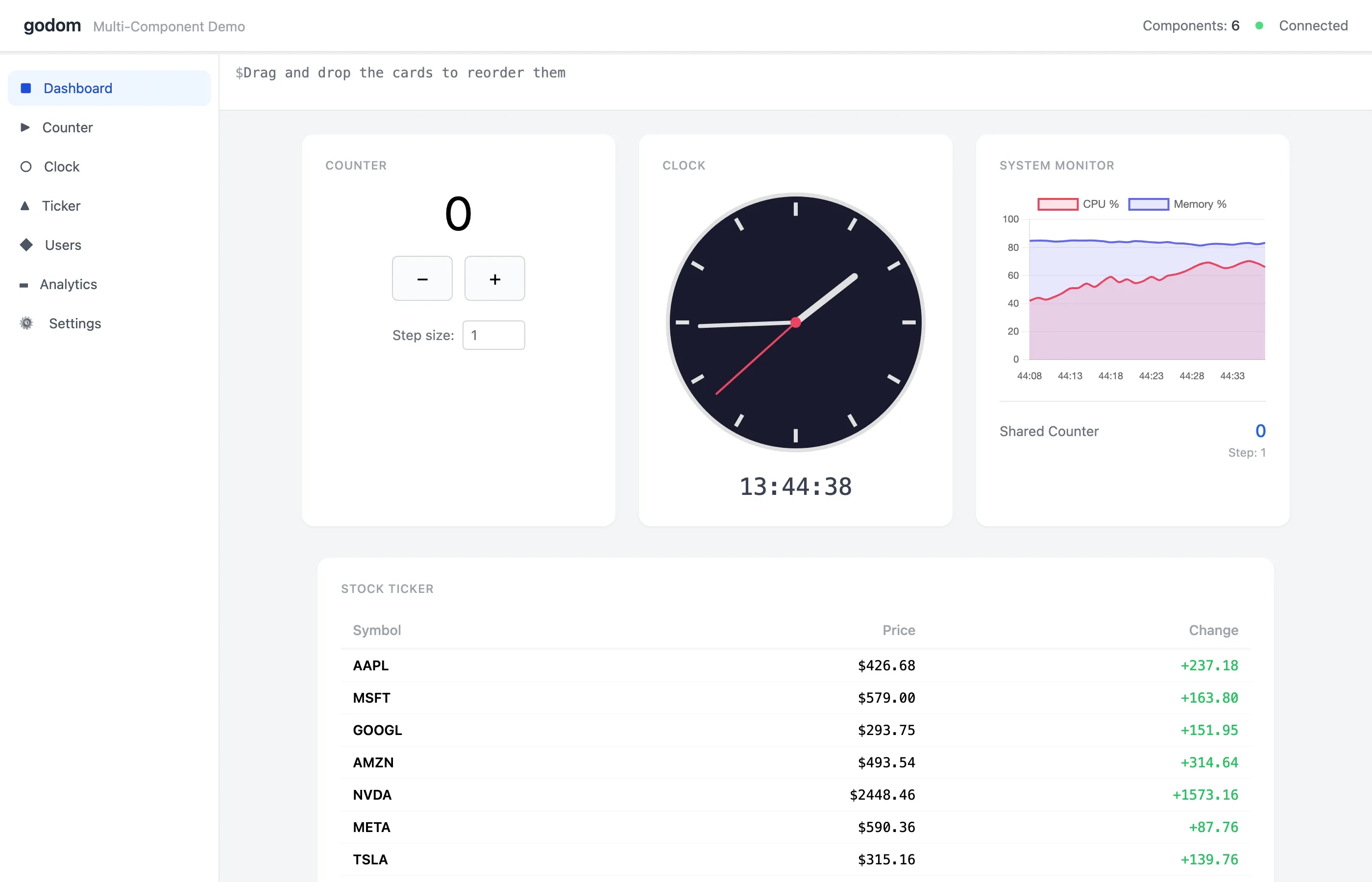
I kept needing a UI for local Go tools and hating every option. So I built a framework where Go owns the DOM and the browser is just a screen.
AI-assisted port of Skyfield (Python) to a Go ephemeris library. Validation-first approach, golden tests, and bug hunts.
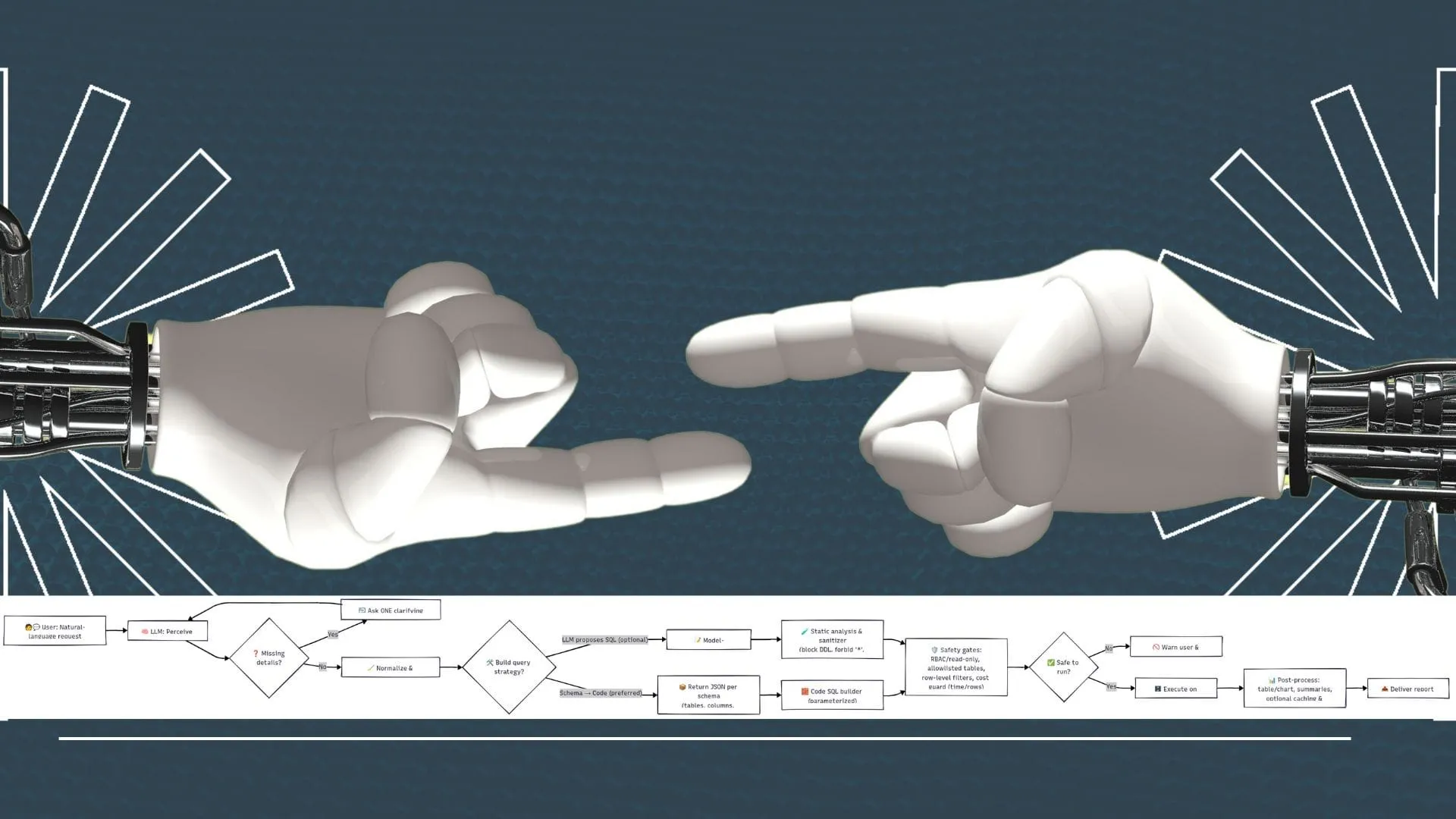
From simple rules to clarifying loops: explore this 3-part series on building AI agents in Python, with examples.
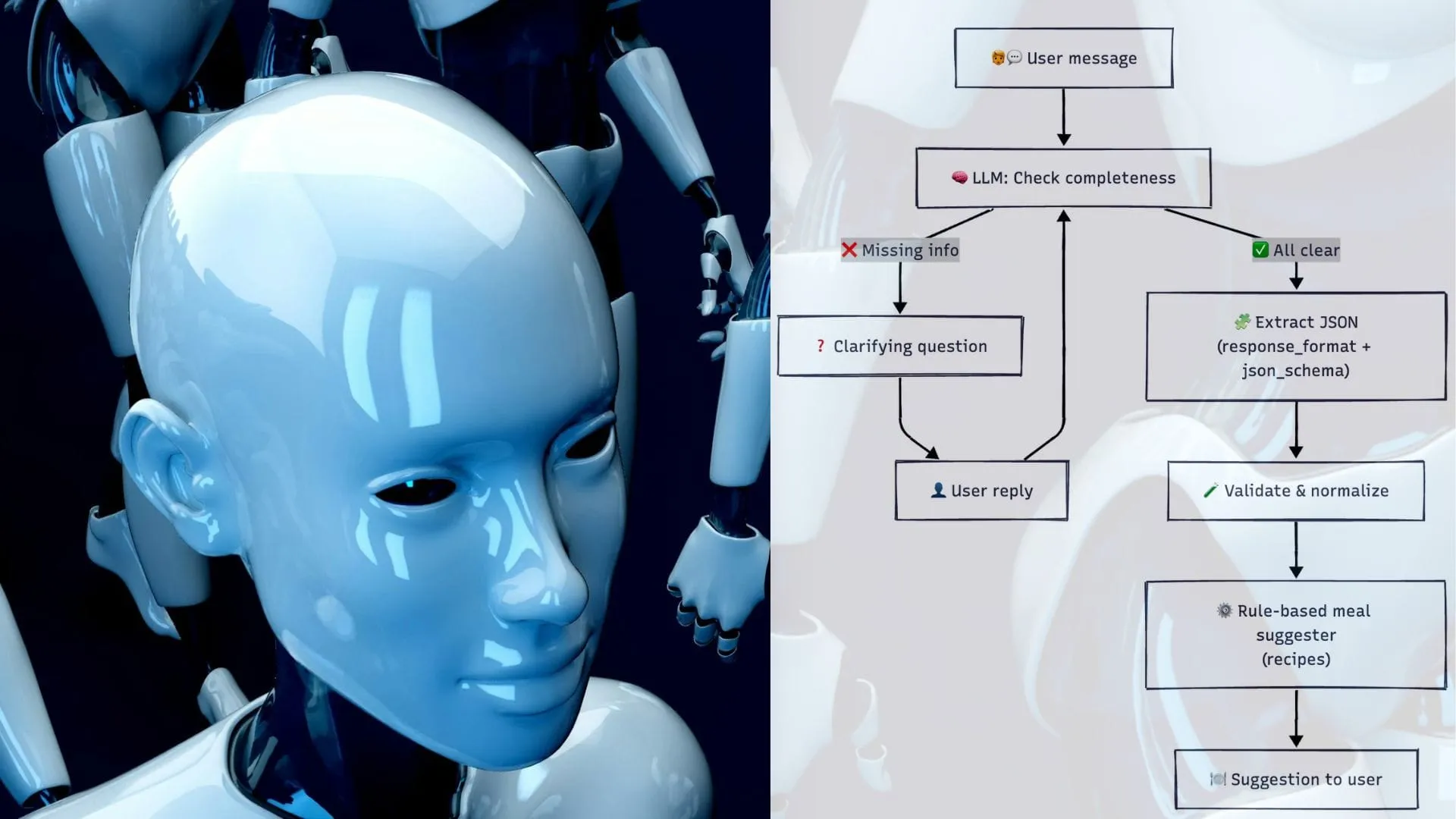
Build a Clarifying Agent in Python with GPT-5 that asks follow-up questions until inputs are clear, providing a safer, smarter, and user-friendly experience.
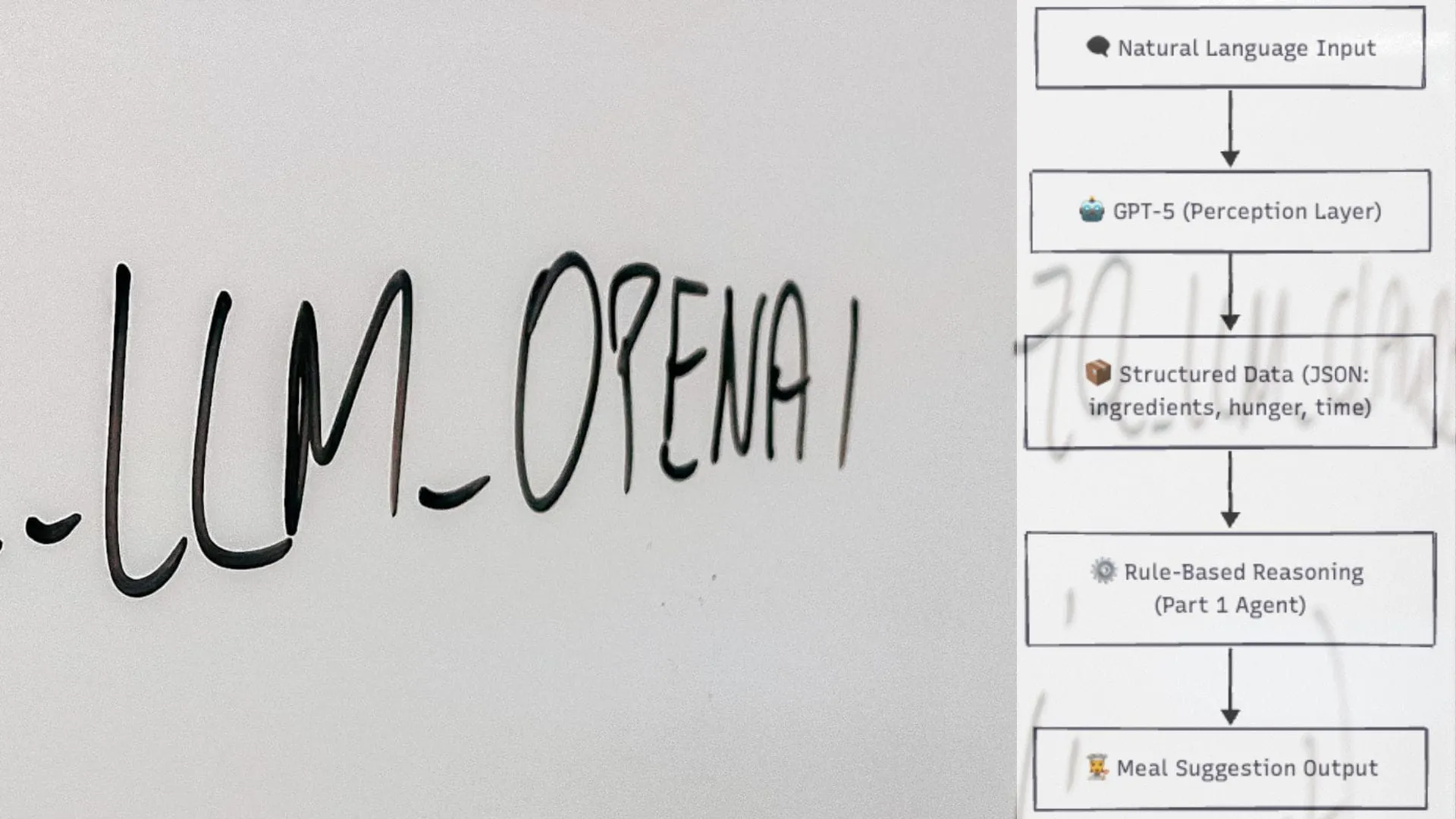
Build an LLM-powered agent in Python: use GPT-5 to turn natural language into structured data, then apply simple rules for smart meal suggestions.
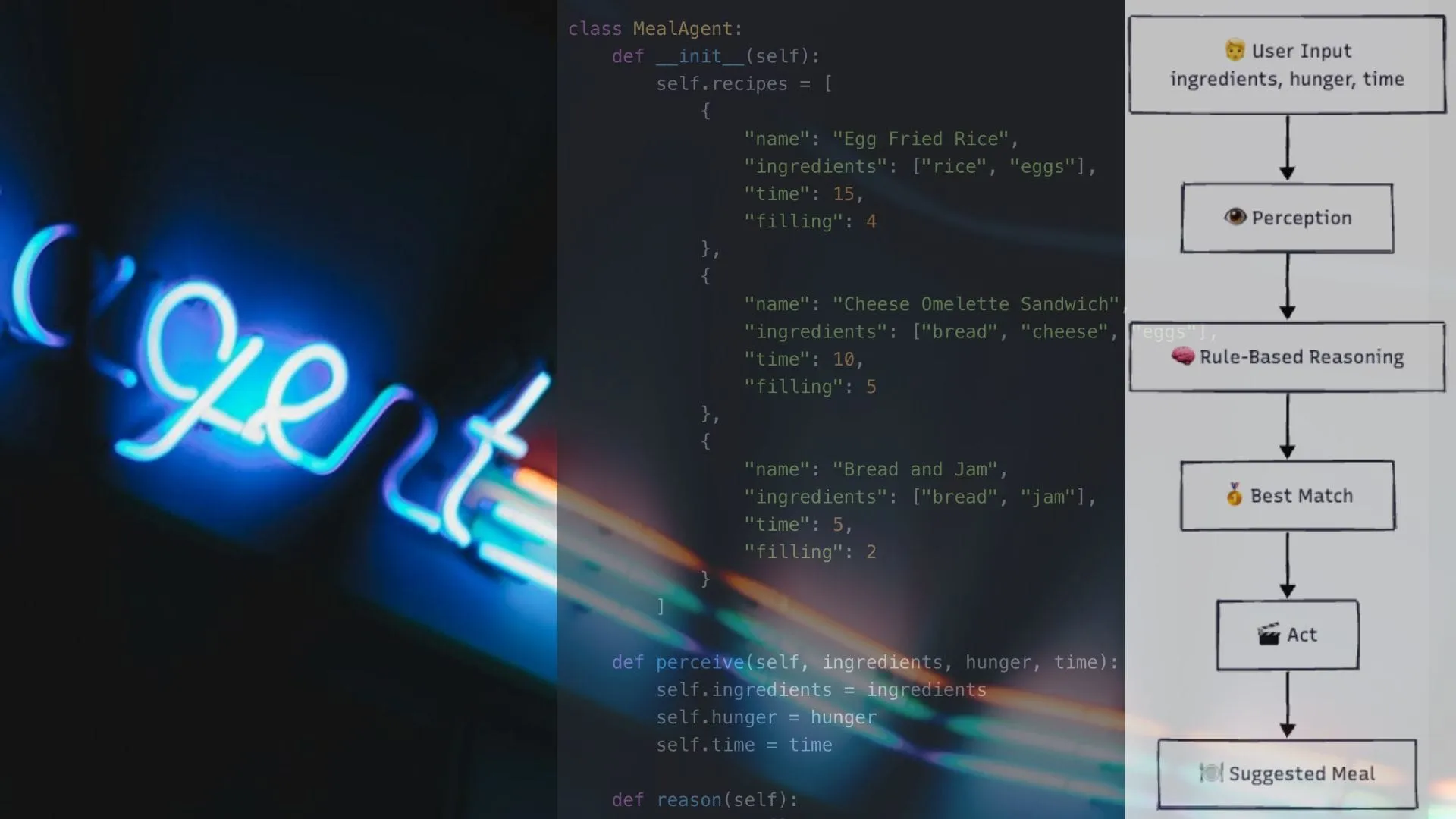
Learn how to build a simple rule-based decision-making agent in Python. Perfect for beginners, this is Part 1 of the Building Agents series and includes code, logic flow, and real-world analogies.